Finchley Central wedding flowers real cost guide
Posted on 15/10/2026
If you are trying to work out a sensible budget for your wedding flowers, you are probably noticing the same thing everyone else does: prices can feel oddly vague until you ask for a proper breakdown. This Finchley Central wedding flowers real cost guide is here to make that easier. It explains what affects floral pricing in a real local setting, how to compare options without getting lost in the detail, and where couples often overspend without meaning to. In other words, less guesswork, more clarity.
Wedding flowers are not just a pretty extra. They shape the whole feel of the day, from the first bouquet photo in the morning to the last table arrangement in the evening. And let's face it, when you are planning a wedding in and around North London, you want costs that make sense before you fall in love with a design that quietly doubles the budget. A few smart choices can go a long way.
Below, you will find a practical, human breakdown of real-world wedding flower costs, common budget ranges, planning steps, and the little details that often decide whether a quote feels fair or inflated. If you are also comparing broader local floral options, you may find it useful to look at wedding flowers in North Finchley and the wider collection of wedding flower designs for reference.
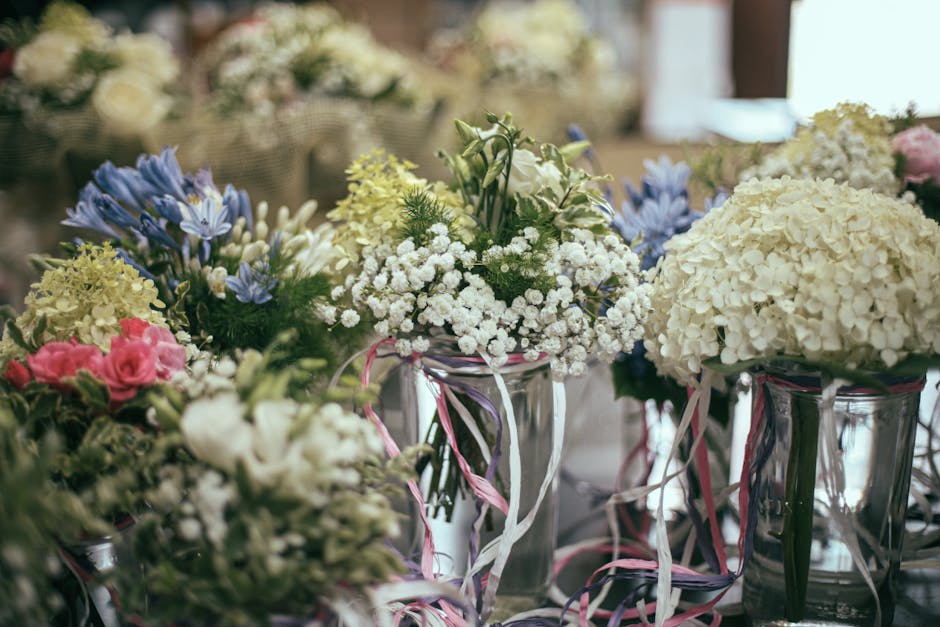
Why Finchley Central wedding flowers real cost guide Matters
Wedding flowers can be deceptively simple on paper. A bouquet, a few buttonholes, maybe some table pieces. Then the quote arrives and you realise there is more to it: flower varieties, seasonality, labour, design time, delivery, set-up, and sometimes collection afterwards. That is why a Finchley Central wedding flowers real cost guide matters so much. It gives you a realistic frame of reference before you commit.
In Finchley Central and the surrounding parts of North London, couples often want flowers that feel elegant without looking overdone. The challenge is that "simple" does not always mean "cheap". A crisp, understated bouquet in premium blooms can cost more than a fuller-looking arrangement in hardier seasonal flowers. Truth be told, the word "simple" is doing a lot of work in wedding planning.
Cost clarity matters for another reason too: it helps you prioritise. Maybe you care most about the bridal bouquet and the ceremony flowers, while table arrangements can be lighter. Or maybe you want guests to walk into a room that feels lush and immersive, and you are willing to spend more there. Either way, understanding the real costs helps you spend on purpose, not by accident.
There is also a local practical angle. If your venue is in or near Finchley Central, delivery timing, access, and setup windows can all influence the final price. A florist who knows how North London schedules tend to run will often plan more efficiently, which can save both time and stress on the day. That sounds boring until you are standing there on a Friday morning trying to manage a ceremony setup between traffic, parking, and a tight venue slot. Not fun.
How Finchley Central wedding flowers real cost guide Works
The real cost of wedding flowers is usually built from a combination of fixed items and variable choices. Some prices are easy to estimate: a bridal bouquet, bridesmaid bouquet, groom buttonhole, corsages, centrepieces, and ceremony arrangements. Others shift based on design complexity, flower choice, stem count, vase hire, and whether anything needs installing at the venue.
A sensible quote normally reflects five core layers:
- Design labour - the florist's time spent planning, conditioning flowers, and building the arrangements.
- Flower selection - roses, lilies, orchids, lisianthus, seasonal mixed stems, and so on.
- Quantity - the number of bouquets, buttonholes, table pieces, pedestal arrangements, arches, or aisle markers.
- Logistics - delivery, venue access, setup, and collection if required.
- Presentation details - ribbons, vases, containers, mechanics, foam-free structures, and finishing touches.
Here is the important bit: you are not really comparing "flowers" against "flowers". You are comparing a complete service against another complete service. One florist may quote lower but leave out setup or venue styling. Another may include more hands-on coordination and fresher premium blooms. That is why quotes can look wildly different at first glance.
For many Finchley Central weddings, the best starting point is to split the flowers into categories and decide what truly matters. Bridal flowers usually carry the strongest emotional and visual weight. Bridesmaid bouquets and buttonholes are smaller, but they still affect the overall look. Table arrangements can be scaled up or down depending on guest count and venue style. If you are exploring bouquet styles, the bridal bouquet options and bridesmaid bouquet designs are useful places to compare the shape and feel of different wedding looks.
Key Benefits and Practical Advantages
Working through the real cost guide gives you more than just a number. It gives you control. And that matters because wedding planning is full of tiny moving parts, some of which will absolutely try to ambush your budget at 9 p.m. on a Tuesday.
Here are the main benefits of understanding wedding flower pricing properly:
- Better budget control: You can set a realistic ceiling before you start choosing designs.
- Less stress: You know what is normal to spend and what needs questioning.
- Smarter comparisons: Quotes become easier to compare because you know what should be included.
- Better value: You can shift money towards the areas guests will actually notice.
- Fewer last-minute changes: A clear plan reduces expensive late tweaks.
There is also a visual advantage. Wedding flowers are often one of the few parts of the day that appear in almost every photo: the bouquet close-up, the ceremony aisle, the reception table, the group shots, the getting-ready room. When flowers are planned properly, the whole day feels more cohesive. Small detail, big payoff.
In practice, couples often discover they do not need every item they first imagined. A well-designed bridal bouquet, a few carefully placed ceremony pieces, and a modest number of tablescape flowers can look more polished than a bigger but less considered display. That is a genuine saving, not a compromise.
Who This Is For and When It Makes Sense
This guide is for couples who want a clear, realistic flower budget for a Finchley Central wedding without being pushed into unnecessary extras. It is especially useful if you are:
- planning a civil ceremony, church wedding, or venue reception in Finchley Central or nearby
- trying to decide between minimal styling and fuller floral design
- comparing florist quotes and not sure what is good value
- working to a fixed wedding budget and need to protect other priorities
- looking for seasonal or flower-specific ideas that still feel elegant
It also makes sense if you are at the slightly awkward stage of planning where you know what you want emotionally, but not financially. You may have a mood board full of white roses, trailing greenery, and candles, but you still need the practical part: how much should this actually cost? Fair question.
For couples with broader floral needs beyond the wedding day, it can help to look at the florist's general style too. A business that handles everyday arrangements well often has a strong sense of proportion and freshness. Browsing the broader all flowers range or the more premium luxury flowers collection can give you a useful feel for design quality before you book anything major.
Step-by-Step Guidance
If you want the real cost of your flowers to make sense, it helps to work through the process in order. Skipping steps is usually how budgets get fuzzy.
-
List the actual floral items you need.
Start with the essentials: bridal bouquet, bridesmaid bouquets, groom buttonhole, groomsmen buttonholes, corsages, ceremony pieces, and reception flowers. Then decide what is optional. A lot of couples realise they do not need every decorative idea they pinned six months ago. Happens all the time.
-
Set a realistic total budget.
Decide what the flowers are worth to you as part of the whole day. Some couples prefer to spend more here than on stationery or favours because flowers photograph better and shape the atmosphere. Others go leaner and use the budget elsewhere. Both are perfectly reasonable.
-
Choose your priority pieces first.
The bridal bouquet is often the most emotionally important item. Ceremony arrangements may come next, especially if they appear in the background of the vows. Table flowers can then be sized around what is left. That order tends to keep spending under control.
-
Check seasonality and flower substitutions.
If you want peonies in a month when they are scarce, or orchids in a fuller design than your budget comfortably allows, the florist may suggest alternatives. Good substitutes can preserve the look without the sticker shock.
-
Ask what the quote actually includes.
Does it include delivery? Set-up? Collection? Ribbon? Vases? A mock-up? Don't assume. The quote should be clear enough that you can compare it with another quote line by line.
-
Review the final scale against your venue.
A small room does not need towering arrangements to feel beautiful, and a bigger venue can swallow tiny floral pieces. The flowers should suit the space, not fight it.
If you are shortlisting specific pieces, it can be helpful to compare individual wedding products such as wedding buttonholes, table arrangements, and wedding corsage options like these wedding corsages. That way you see the cost shape of each item, rather than guessing from a total price.
Expert Tips for Better Results
A few small decisions can make a surprisingly big difference to your final spend. These are the things that tend to separate a tidy, well-balanced order from one that feels inflated or awkwardly pieced together.
- Lean on seasonal flowers where possible. Seasonal stems usually give better value and a fresher feel. They also tend to look more relaxed and natural.
- Use repetition smartly. Repeating one or two flower types across bouquets and table pieces creates a more cohesive result, and often costs less than chasing lots of different varieties.
- Keep the colour palette focused. A tight palette is usually easier to style well. White, blush, soft pink, cream, and greenery are popular because they work across many venues.
- Ask for one or two statement pieces rather than many small extras. A stronger focal point can look more luxurious than scattering money across too many minor items.
- Think about transport and venue timing. In North London, logistics matter. If setup windows are tight, the florist may need to plan staffing and delivery more carefully.
One practical trick: if you want your flowers to look fuller without going dramatically over budget, ask where visual volume matters most. Sometimes a bouquet can feel richer by concentrating blooms at the front and using lighter foliage where it will not be missed. Small design choices like that are where experience really shows.
And yes, there is always the temptation to add "just one more thing". A few extra stems here, a cake flower spray there, a surprise arrangement at the entrance. Suddenly the quote is doing cartwheels. Keep an eye on the totals. Seriously.
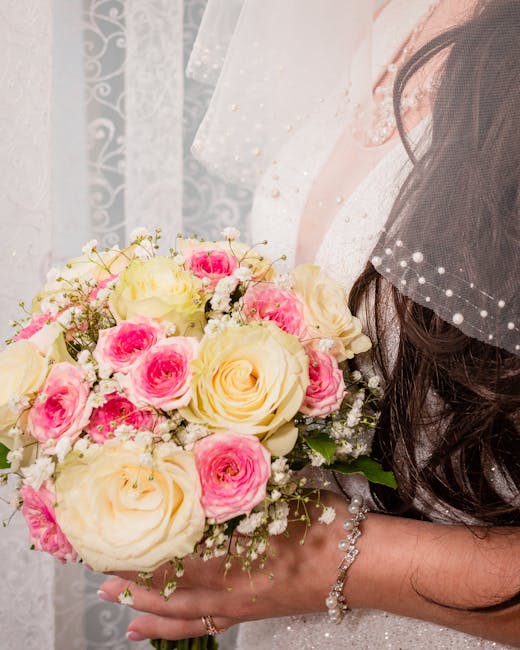
Common Mistakes to Avoid
The biggest wedding flower budget mistakes are rarely dramatic. They are usually small assumptions that add up. A few of the usual suspects:
- Comparing quotes without checking what is included. One florist may include installation while another only supplies the flowers.
- Choosing premium blooms for every item. You may want roses, orchids, and peonies everywhere, but the cost rises quickly.
- Ignoring the venue scale. Oversized arrangements in a compact Finchley Central venue can feel crowded, not elegant.
- Leaving the floral plan too late. Tight timing reduces flexibility and can limit flower choice.
- Forgetting about extra materials. Vases, holders, mechanics, ribbon, and labour all add to the real cost.
Another common mistake is trying to judge value purely by quantity. Bigger is not always better. A less bulky arrangement with a stronger shape and better flowers can look more refined. In the soft evening light after ceremony time, that matters more than people think. Photos remember quality.
Also, if you are ordering online rather than sitting down with a florist, keep an eye on product descriptions and size cues. A bouquet description that sounds lush may still be smaller than you imagined. When in doubt, ask for clarification before paying.
Tools, Resources and Recommendations
You do not need specialist software to plan wedding flower spend, but a few simple tools make the job much easier. Honestly, even a basic spreadsheet helps more than people expect.
- Guest-count tracker: Useful for working out how many table arrangements or buttonholes you actually need.
- Venue floor plan: Helps you visualise where flowers will sit and whether large pieces are worthwhile.
- Budget spreadsheet: Keeps floral costs separate from dress, photography, catering, and transport.
- Inspiration board: Good for gathering style references, but keep it edited so you do not end up with six different flower moods.
- Florist consultation notes: Write down what is included in the quote, the delivery window, and any colour changes.
For practical browsing, the wedding-focused collections on the site can help you compare styles and price direction. If you are building a ceremony-to-reception plan, the weddings collection is useful, while the broader local florist page gives you a sense of the service footprint. For couples who want a polished but controlled spend, there is also a helpful budget-friendly range worth scanning.
One more recommendation: keep your wishlist, must-haves, and nice-to-haves separate. It sounds obvious, but it saves a lot of back-and-forth later. Weddings are full of decisions; this just makes one of them a bit calmer.
Law, Compliance, Standards, or Best Practice
Wedding flowers are not heavily regulated in the way some trades are, but there are still sensible best practices to follow. The main one is simple: your quote should be clear, your florist should explain what is included, and any changes should be confirmed before the day. That protects both sides.
If flowers are being delivered to a venue, timing and access need to be organised properly. In London, that often means working around parking, loading restrictions, and venue set-up windows. It is not glamorous, but it is the kind of detail that prevents avoidable stress. A good florist will plan for it rather than wing it.
It is also wise to check general business terms before ordering. Look at payment expectations, amendment rules, delivery terms, and refund or cancellation conditions. If there is a specific policy on replacements or seasonal substitutions, you want to know that early, not on the eve of the wedding when everyone is already tired.
On the sustainability side, some couples now prefer foam-free designs, reusable containers, or locally sourced seasonal flowers where possible. That is more of a best-practice choice than a legal requirement, but it can influence cost and style. The same goes for responsible sourcing and waste reduction. A florist who can explain their methods clearly is usually easier to trust.
If you are considering wider service quality, pages like guarantees, delivery information, and terms and conditions can help set expectations before you place an order. That is just good planning, really.
Options, Methods, or Comparison Table
The best flower plan depends on the kind of wedding you are having and how you want the day to feel. A compact civil ceremony will usually need a different budget profile from a larger reception with full table styling. The table below gives a practical overview of common approaches.
| Approach | Best for | Typical cost behaviour | Strengths | Trade-offs |
|---|---|---|---|---|
| Minimal essentials | Small ceremonies, tighter budgets, simple styling | Lower overall spend, fewer items | Clear, elegant, easy to manage | Less decorative impact in larger rooms |
| Balanced package | Most Finchley Central weddings | Mid-range spend with a few focal pieces | Good value and strong photo impact | Needs careful prioritising |
| Full styling approach | Big receptions, feature venues, statement looks | Higher spend due to labour and volume | Immersive, highly polished, memorable | Can rise quickly with extras |
| Seasonal-led design | Couples who want value and a natural look | Often more cost-efficient | Fresh, flexible, authentic | Exact bloom selection may vary |
If you want a practical benchmark, compare a bridal bouquet, a bridesmaid bouquet, and a simple buttonhole together before adding ceremony and table pieces. That gives you a clearer sense of how the budget grows. Small orders often look cheaper per item, but once venue styling enters the picture, the structure changes fast.
Case Study or Real-World Example
Imagine a couple planning a late-spring wedding near Finchley Central. They want a soft, romantic look, but they also want to stay sensible with money. At first, they think they need flowers everywhere: full entrance display, bouquet, four bridesmaids, eight buttonholes, three ceremony arrangements, and centrepieces for every table. A lovely idea. Slightly ambitious, too.
After reviewing the venue layout, they cut the plan back. The ceremony room is already attractive, so they keep it to a strong bridal bouquet, two bridesmaid bouquets, a handful of buttonholes, and one feature arrangement near the aisle. For the reception, they choose simpler table pieces and repeat the same palette of white, blush, and greenery. The result feels intentional rather than overloaded.
What changed most was not just the spend, but the usefulness of each pound. By focusing on the items that appear in photos and help the room feel complete, they avoided paying for floral decoration that would barely have been noticed. That is usually where the real savings come from.
They also asked for substitutions when certain premium blooms were out of season. Nothing dramatic, just careful choices. The flowers still looked elegant, the tables felt coordinated, and the final total stayed within range. That is the sort of real-world balance this guide is meant to help you find.
Practical Checklist
Use this before you confirm your wedding flower order:
- Confirm your wedding date, venue, and delivery address.
- List every flower item you actually need.
- Decide which items are essential and which are optional.
- Set a total flower budget before requesting designs.
- Ask what the quote includes: labour, delivery, setup, collection, and materials.
- Check whether the chosen blooms are seasonal or may need substitutes.
- Match the scale of the flowers to the venue size.
- Ask for written confirmation of any changes.
- Review payment terms and refund policies carefully.
- Leave enough time for planning and final adjustments.
Quick practical summary: the best Finchley Central wedding flowers are not always the most expensive, and the cheapest option is rarely the best value. The sweet spot is usually a thoughtful mix of priority pieces, seasonal choices, and a quote that is clear about everything it includes. That is where confidence comes from.
Get a free quote today and see how much you can save.
Conclusion
A proper Finchley Central wedding flowers real cost guide should do one thing above all else: help you make calm, confident decisions. Once you understand what drives floral pricing, it becomes much easier to decide where to spend, where to simplify, and where a small design change can save a surprising amount.
The best wedding flower plans are rarely the most complicated ones. They are the ones that suit the couple, suit the venue, and make the day feel beautifully put together without draining the budget. If you keep your priorities clear and ask the right questions, you will usually end up with flowers that look lovely and feel right. And that is the whole point, really.
When it all comes together on the day, with bouquets in hand and the room dressed just enough, the details tend to fade into something better: a feeling. That is what you are paying for, in the end.
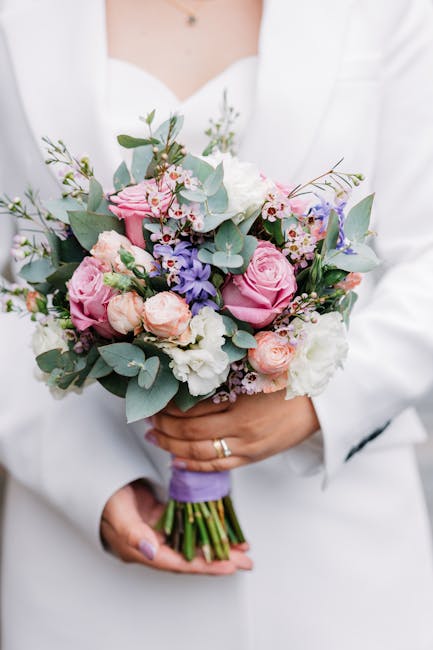
Frequently Asked Questions
How much do Finchley Central wedding flowers usually cost?
The cost depends on the number of arrangements, flower choices, seasonality, and whether delivery and setup are included. A small, simple order will cost far less than a fully styled package. The best approach is to price the exact items you need rather than guessing from a broad average.
What flowers give the best value for a wedding?
Seasonal flowers, mixed stems, and designs that use repetition well often give the best value. Roses, carnations, alstroemeria, and similar flowers can be used effectively in many wedding styles, but the best choice depends on the look you want and the time of year.
Is a bridal bouquet the most expensive item?
Not always, but it is often one of the most detailed. Large ceremonial arrangements, arches, and full venue styling can cost more because they involve more labour and materials. A bouquet can be premium-priced if it uses luxury blooms, but it is rarely the highest-cost part of a full wedding flower order.
How far in advance should I book wedding flowers?
As early as you can, especially if your wedding is in a busy season. Early booking gives you more choice over flower types, design options, and delivery planning. It also reduces the risk of last-minute substitutions.
Can I reduce costs without making the flowers look cheap?
Yes. Focus on the most visible items, use seasonal flowers, limit the number of different varieties, and choose a tighter colour palette. A few strong pieces usually look better than many weak ones. That is one of the simplest ways to keep the design polished.
Do I need table flowers for every guest table?
Not necessarily. Some couples use one or two feature arrangements, some use smaller bud-vase style pieces, and others leave certain tables simpler. It depends on the venue, table layout, and the look you want. Full coverage is not always needed.
What should be included in a wedding flower quote?
A good quote should show the item list, flower types or design style, labour, delivery, setup, and any collection or hire costs. If substitutions may happen because of seasonality, that should be explained too. Clear quotes are easier to trust and compare.
Are wedding flower packages better value than custom orders?
Sometimes, yes. Packages can make budgeting easier and may bundle popular items at a cleaner price. Custom orders are better if your venue or style needs something more specific. The better value depends on how close the package is to what you actually want.
Do local delivery and setup costs matter much in Finchley Central?
They can. In London, timing, access, parking, and venue rules often affect logistics. Even if the flowers themselves are reasonably priced, delivery and setup can add to the total. It is worth checking these costs early so there are no surprises later.
What if I want white, luxury-looking flowers on a smaller budget?
That is still possible. A white palette can look elegant with a careful mix of more affordable blooms and a few premium focal flowers. The key is to keep the design clean and avoid overcomplicating it. Simple done well often reads as luxurious.
Can I use the same florist for wedding flowers and other occasions?
Yes, and that can be helpful. A florist who also handles everyday arrangements, gifts, or seasonal flowers often has a good feel for style and reliability. It can be useful to browse their broader collections, such as general flower ranges and wedding-specific designs, before deciding.
What is the safest way to compare two wedding flower quotes?
Compare item by item. Check the exact flowers, the number of arrangements, the labour involved, delivery, setup, and any extras. Do not compare just the headline total. That is how people accidentally choose the wrong quote. Apples to apples, always.


